Booking choice: The Downtown Charleston Food Tour, from $110 per person. Check dates Tour details
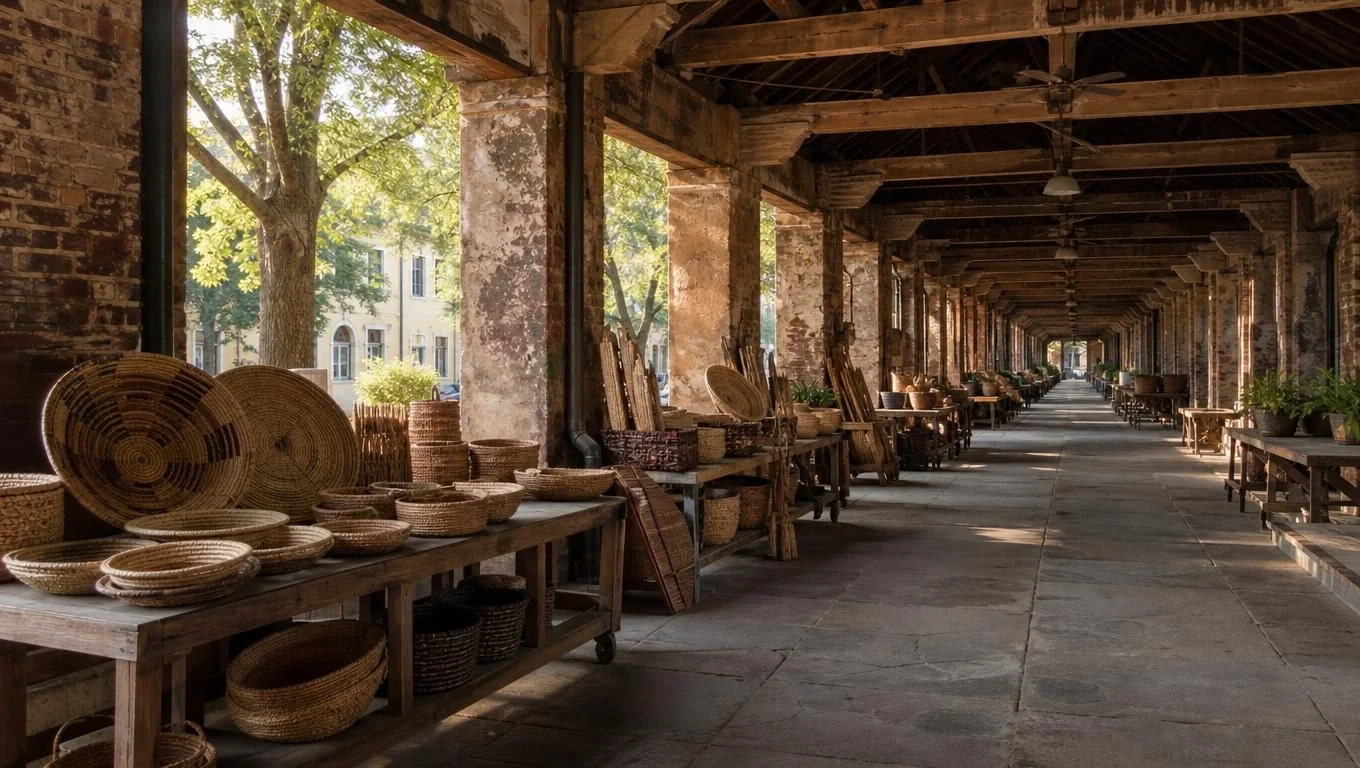
The City Market is the one stop almost every downtown food walk passes. It belongs to the City of Charleston, opens every day, and calls itself the city's most visited attraction.
Visitors also ask whether it was a slave market. The market's own history describes a public food market, and the Old Slave Mart Museum places the city's slave auctions at other sites, a short walk away.
The quick answer
The Day Market is open daily from 9:30 a.m. to 5 p.m., and the Night Market on Friday and Saturday from 6:30 to 10:30 p.m. Entry is free. The market dates to 1788, Market Hall to 1841, and more than 50 sweetgrass basket weavers sell there. Its history page describes a public food market and mentions no auctions; the Old Slave Mart Museum places Charleston's slave auctions around the Old Exchange Building and, from 1856, at Ryan's Mart on Chalmers Street, now the museum.
What are the Charleston City Market hours?
The Day Market opens daily from 9:30 a.m. to 5 p.m. according to the market's homepage, and its hours pop-up says 5:30 p.m., so allow for either; the Night Market runs Friday and Saturday from 6:30 to 10:30 p.m.
The market announced that in 2026 it would stay open on July 4 during the day while the Night Market closed that evening. Go at 9:30 if you want time with the basket weavers before the tour groups arrive.
Making a morning of it? The Downtown Charleston Food Tour covers the French Quarter and the Market.
Check dates for the Downtown Charleston Food TourWhere is the City Market, and how do you get there?
It starts at Market Hall, at the corner of Meeting and Market streets, and runs about four blocks east toward the Cooper River.
The free DASH shuttle run by CARTA stops at the City Market on route 213 Purple, which also serves the Visitor Center, King Street and Waterfront Park. If you drive, the city's garages, including Concord/Cumberland at 1 Cumberland Street and 93 Queen Street, charge $1 per 20 minutes up to $24 a day. The 93 Queen Street garage drops to a $7 flat fee after 3 p.m. and $5 after 5 p.m., handy for the Night Market.
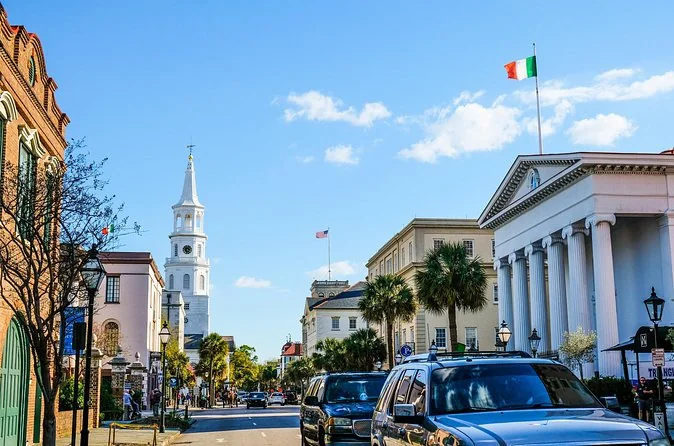
Was the Charleston City Market a slave market?
The market's history page describes a public food market from 1788 and mentions no auctions; the Old Slave Mart Museum places the city's slave auctions at other sites.
The market history page traces a public market for food from 1788 and does not mention slave auctions. According to the Old Slave Mart Museum, auctions were held around the Old Exchange Building until a city ordinance banned them there. Ryan's Mart opened on Chalmers Street on July 1, 1856, as a four-building complex running through to Queen Street, and closed in 1863. The City of Charleston acquired the museum in 1988 and reopened it in 2007.
The museum is housed in part of the city's last major slave market. It opens Monday to Saturday, 9 a.m. to 5 p.m., and admission is $8, or $7 for children 7 to 12, seniors and military; under-7s go free. It is a few minutes' walk from the market and worth the hour.
What is the history of the City Market?
In 1788 Charles Cotesworth Pinckney ceded the land to the city for a public market; the sheds went up between 1804 and the 1830s, and Market Hall in 1841.
Per the market history page, the sheds first held meat, vegetable and fish vendors. A booth cost $1 a day, or $2 with a marble slab to keep meat or fish cold. They have come through fires, tornadoes, earthquakes and Civil War bombardment. Market Hall, the Greek Revival building at the Meeting Street end, takes its look from the Temple of the Wingless Victory in Athens.
The Great Hall, the market's centerpiece, is an enclosed, air-conditioned corridor of 18,300 square feet under a long skylight, reopened in June 2011 after a multi-year renovation.
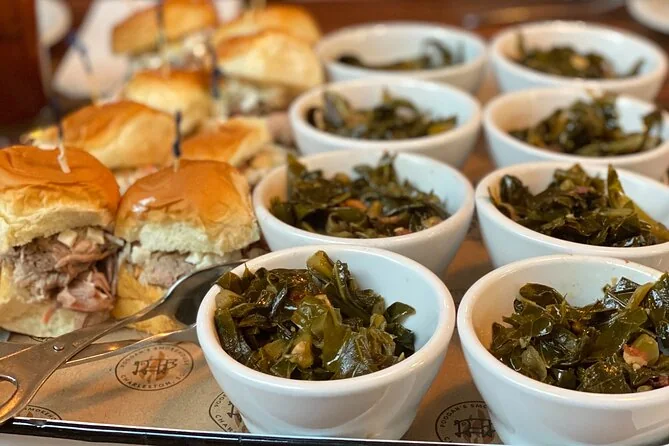
Want the history with your grits? Bulldog's walk calls at the City Market before two hours in the French Quarter.
Explore the Bulldog Tours food walk Tour detailsWhat should you know about sweetgrass baskets?
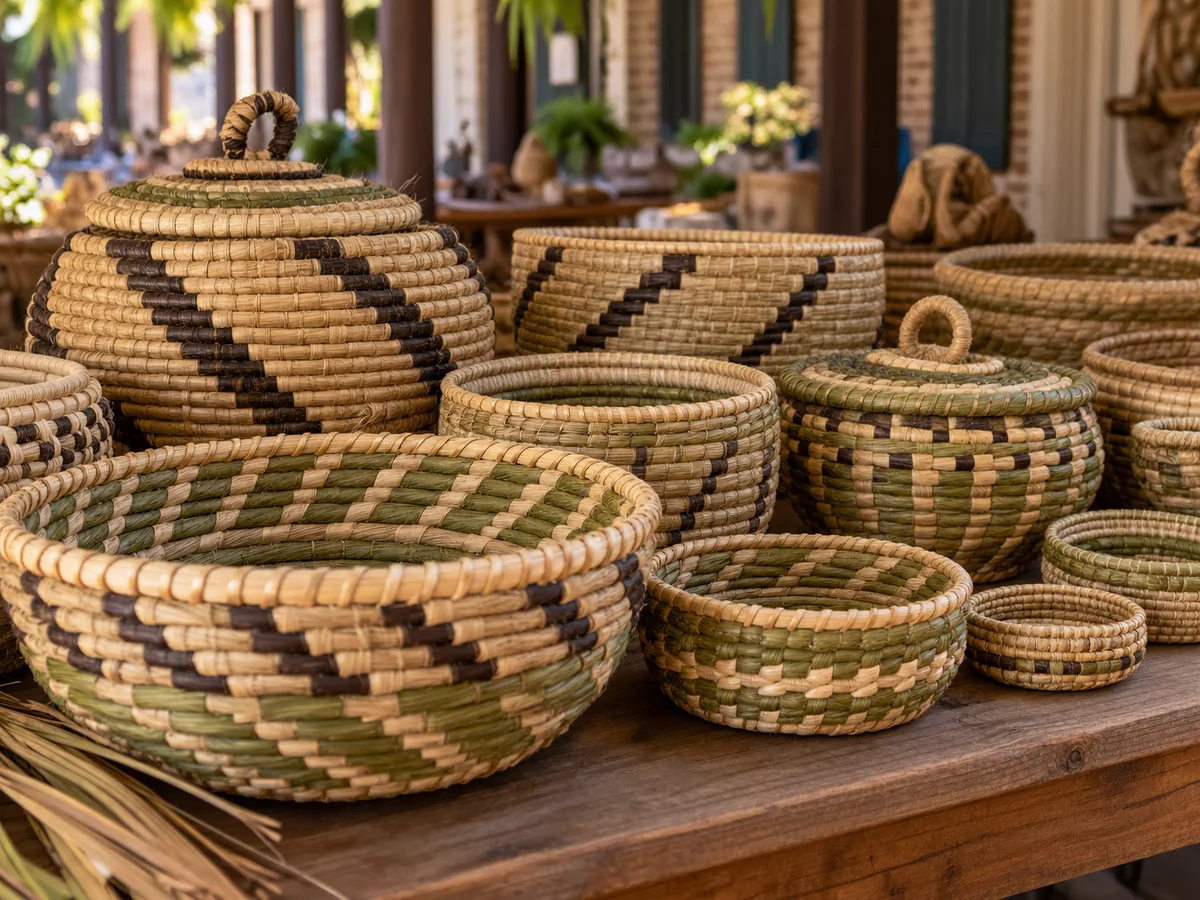
More than 50 weavers sell at the market, and the baskets descend from the fans used to winnow rice on the plantations.
The market says Charleston weavers have worked bulrush, a strong but supple marsh grass, for more than 300 years. West Africans brought the coiled-basket technique with them, the National Park Service notes; today the baskets are mostly decorative, and the market calls them among the nation's most prized cultural souvenirs. Look for the market's Certified Authentic seal, which marks items as 100% locally made, and buy from the weaver directly.
The Soul of the City itinerary from Explore Charleston also points to Gallery Chuma at the market for Gullah art. More on the food side in Charleston Lowcountry food.
Which food tours stop at the City Market?
Bulldog Tours, the sweet treats walk, Streets and Eats and the private tour all include it, and the Downtown Charleston Food Tour covers the Market area.
- Bulldog Tours: a 10-minute stop after the 18 Anson Street start, then the French Quarter; ends on Market Street.
- The sweet treats walk: about 30 minutes at the market, between Toast! All Day and the Pineapple Fountain.
- Streets and Eats: finishes with a sweet treat from a family-owned dessert bar near the market.
- The private tour: passes the market and ends at 49 South Market Street.
- The Downtown Charleston Food Tour: the French Quarter and the Market, starting at 184 East Bay Street.
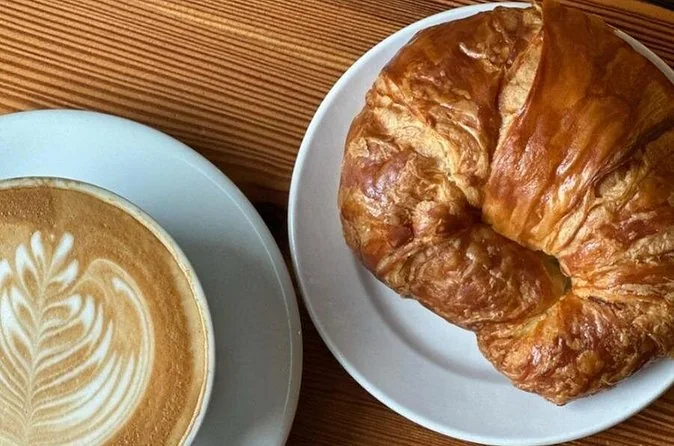
Sweet tooth? The sweet treats walk includes the City Market and a child price for ages 0 to 10.
Check dates for the sweet treats walkWhat is near the City Market?
Waterfront Park and the Pineapple Fountain, the Old Slave Mart Museum, the French Quarter and the harbor cruise dock are all a short walk away.
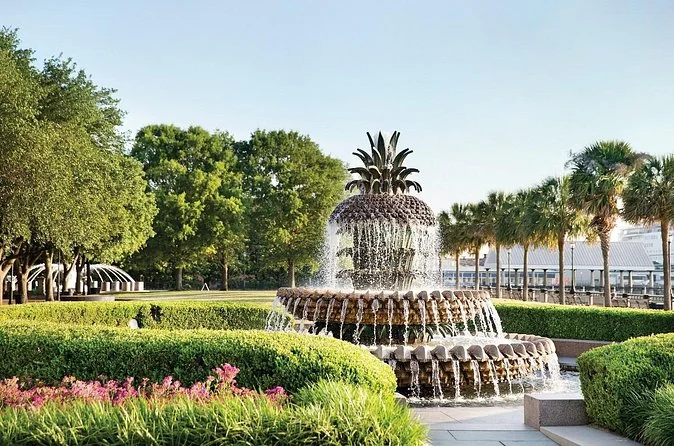
The Pineapple Fountain sits in Waterfront Park at the end of Vendue Range; the sweet treats walk ends there and Chef Forrest Parker's walk starts there at 9 a.m. The French Quarter's cobbled lanes, the Dock Street Theatre and the French Huguenot Church are a few blocks away. The Carolina Belle harbor cruise leaves from the Charleston Maritime Center, 10 Wharfside Street.
How do you fit the market into a food tour day?
Do the market in the morning when it is quiet, take a food tour at lunchtime, and keep the Night Market for Friday or Saturday.
The Downtown Charleston Food Tour fills you up, so do your browsing first rather than after. On a hot day, the Great Hall's air conditioning is the place to cool off. To end the day on the water, take a sunset Carolina Belle cruise ($45). Reviews are mixed: 4.4 from 3,290, with 155 one-star. One guest's tip was to sit on the right side of the boat.
Market in the morning, food at lunch: pick your slot on the Downtown Charleston Food Tour.
Check dates for the Downtown Charleston Food TourFrequently asked questions
Is the Charleston City Market free?
Yes, entry is free. The Day Market is open daily from 9:30 a.m. to 5 p.m., per the market's homepage.
Is the Charleston City Market open at night?
On Friday and Saturday, from 6:30 to 10:30 p.m. In 2026 the market announced that the Night Market would close on July 4.
Were slaves sold at the Charleston City Market?
The market's history page describes a public food market from 1788 and mentions no auctions. The Old Slave Mart Museum places Charleston's slave auctions around the Old Exchange and, from 1856, at Ryan's Mart on Chalmers Street, now the museum.
How long should I spend at the City Market?
An hour covers the sheds and the Great Hall; add another hour for the Old Slave Mart Museum nearby.
Ready to book
Choose your tour
Free cancellation up to 24 hours before on every option. Prices are from-prices in USD and move with the season.
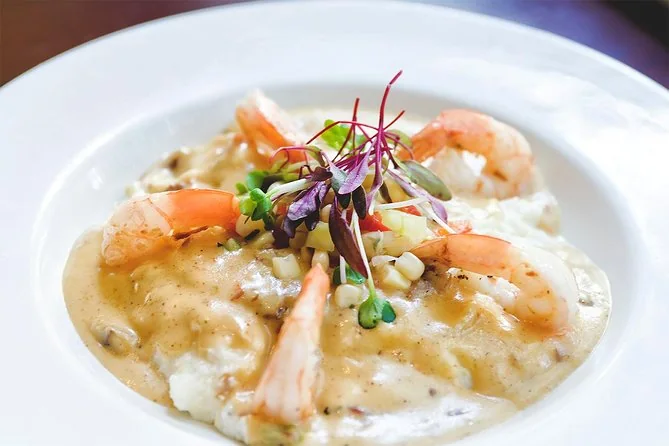
Downtown Charleston Food Tour
- Tastings at 4 local restaurants, enough for a meal for most guests
- A local professional guide, about 2.5 hours on foot, up to 12 travelers
- Meets at 184 East Bay Street; ends within 3 to 4 blocks of the start
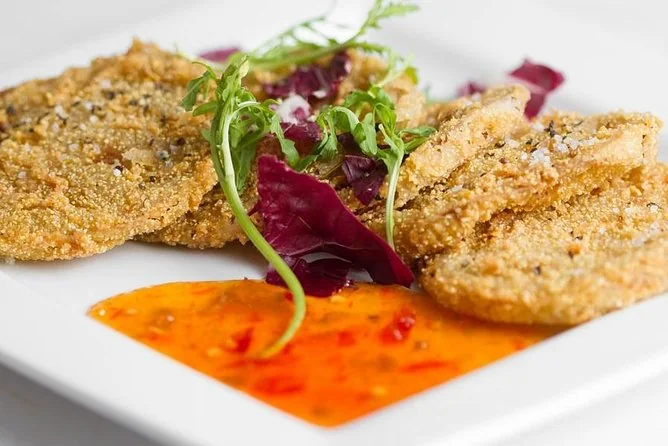
Bulldog Tours: Savor the Flavors
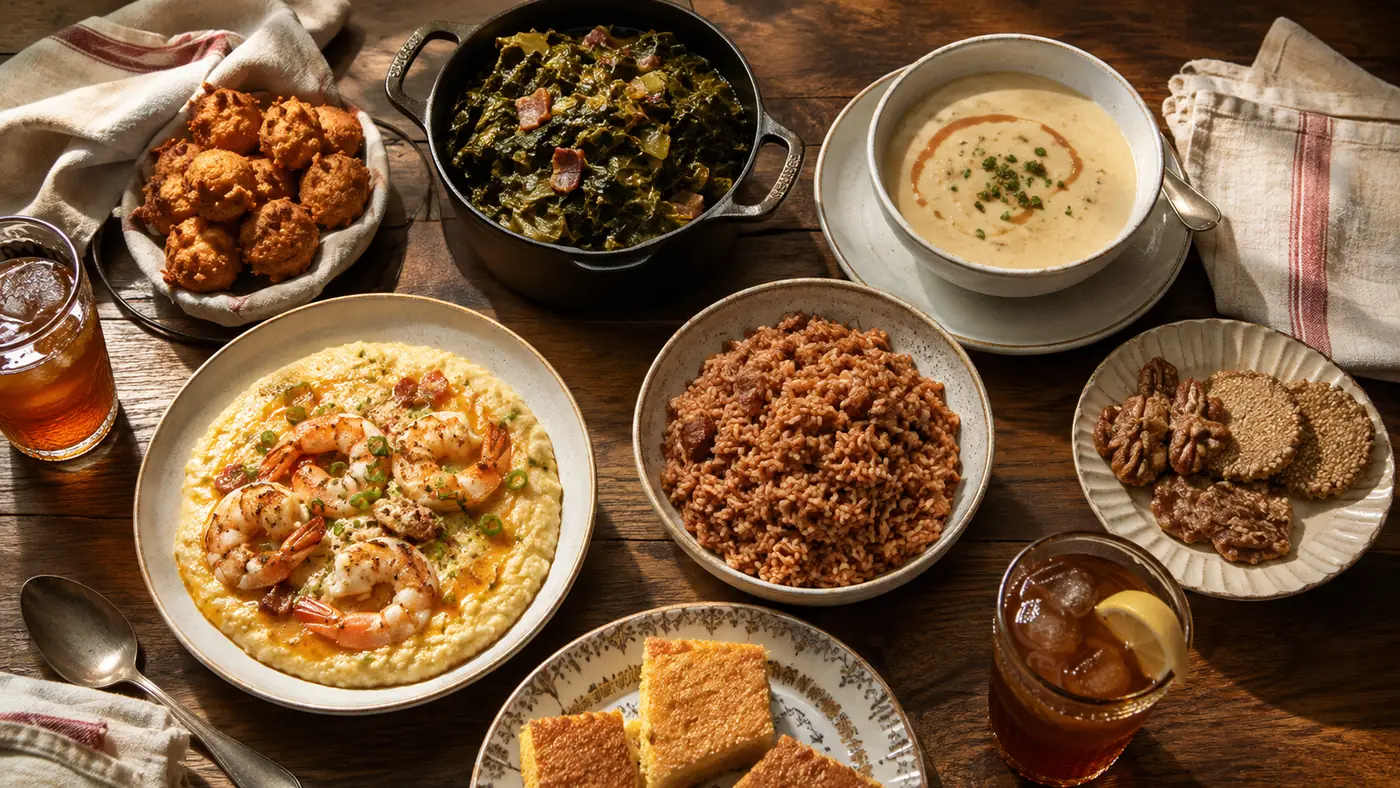
- Tastings such as stone-ground grits, pralines, collard greens, benne wafers and barbecue
- Bottled water and a local professional guide
- Meets at 18 Anson Street; ends on Market Street
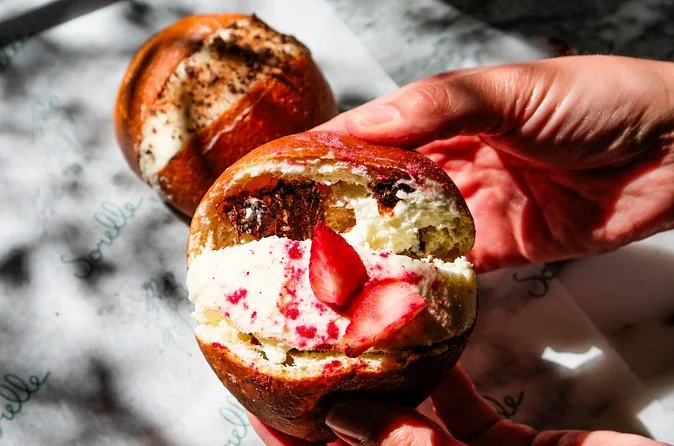
Downtown Sweet Treats Walking Tour
Bakeries and dessert stops, ending at the Pineapple Fountain