Booking choice: The Downtown Charleston Food Tour, from $110 per person. Check dates Tour details
Lowcountry is the coastal plain of South Carolina and Georgia, and its food is built on what grew and swam there: rice, shrimp, crab, oysters, okra, field peas, greens. Explore Charleston, the city's visitor bureau, says Lowcountry cuisine has evolved over the past 300 years from recipes passed down the generations.
Much of that story is the story of the Gullah Geechee people. Here is what to eat, where it comes from, and how much of it a food tour will show you.
The quick answer
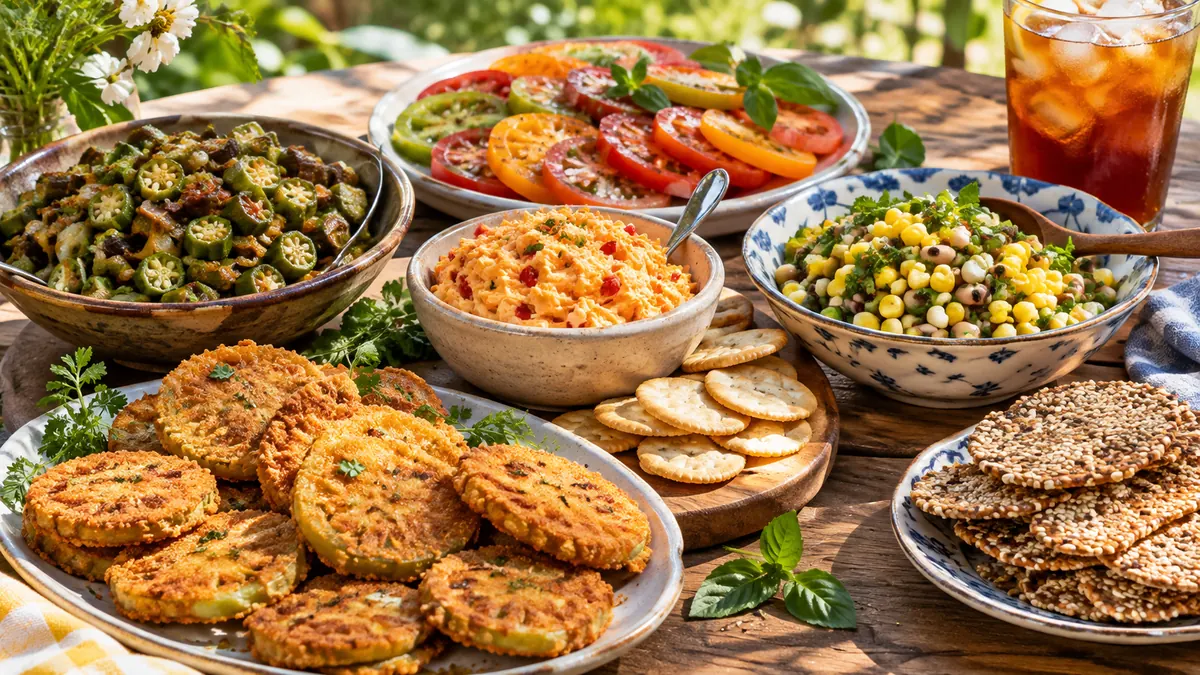
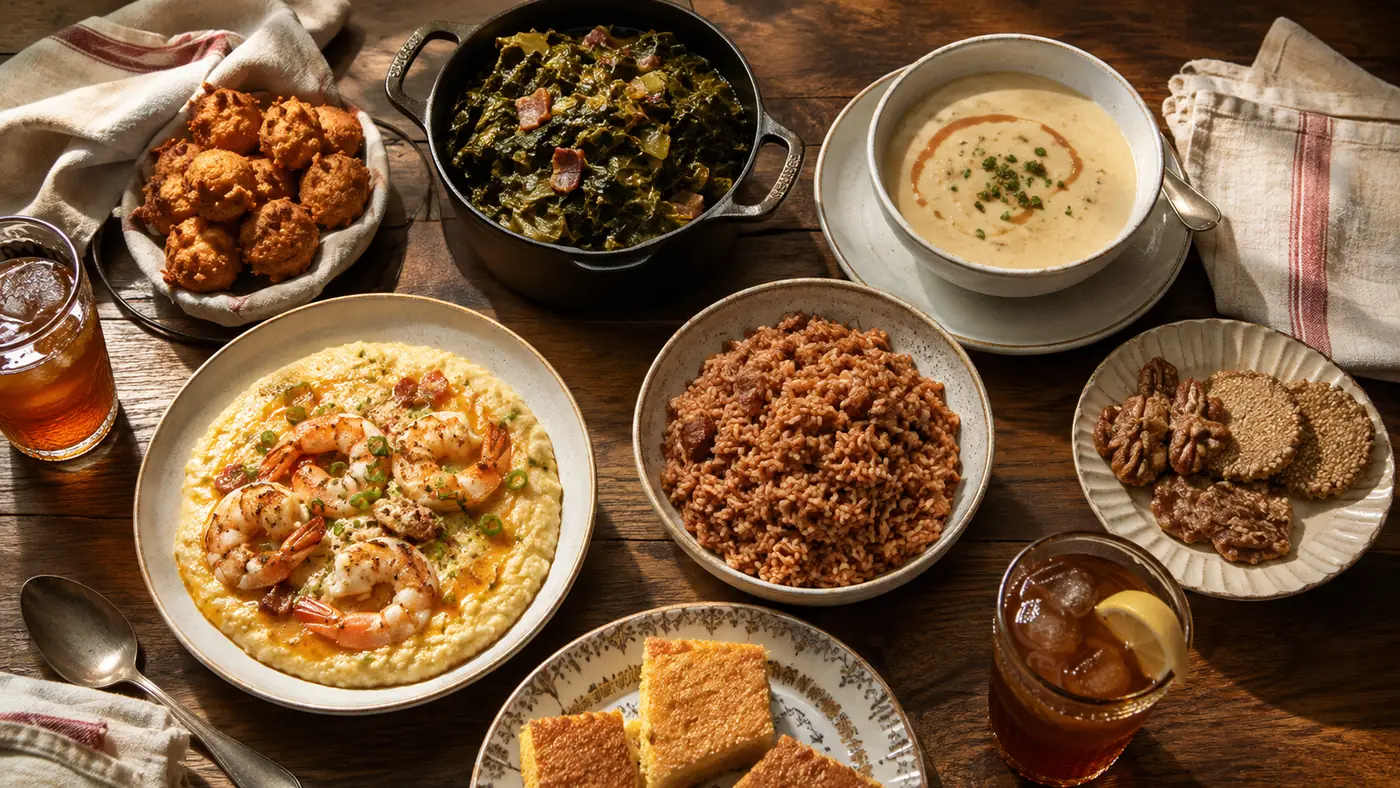
Charleston is known for shrimp and grits, she-crab soup, red rice, Hoppin' John, okra soup, collard greens, fried green tomatoes, pimento cheese and benne wafers. Many of these trace to Gullah Geechee cooking: the National Park Service notes that red rice derives from West African jollof rice. Food tours serve the classics; for Gullah cooking itself, eat at the restaurants the city's visitor bureau lists.
What food is Charleston known for?
Shrimp and grits and she-crab soup above all, followed by red rice, Hoppin' John, okra, collard greens, fried green tomatoes, pimento cheese and benne wafers.
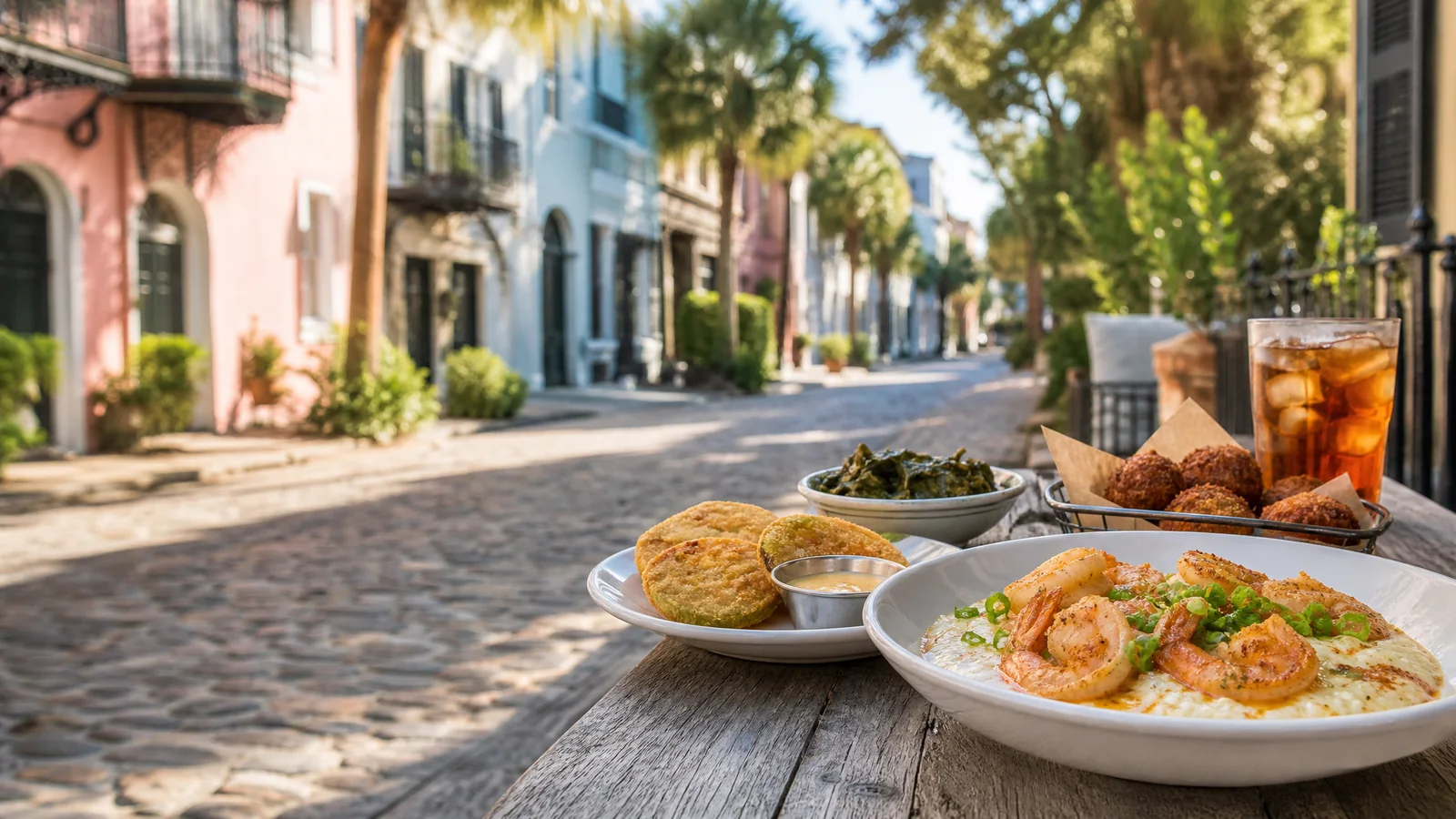
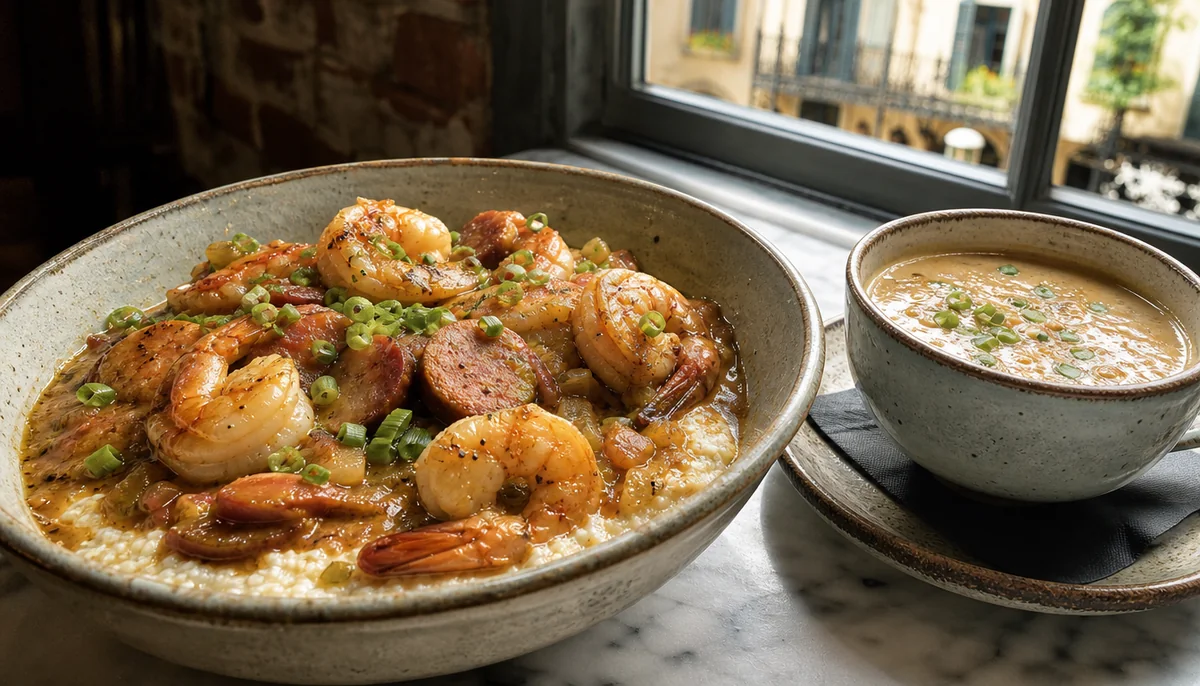
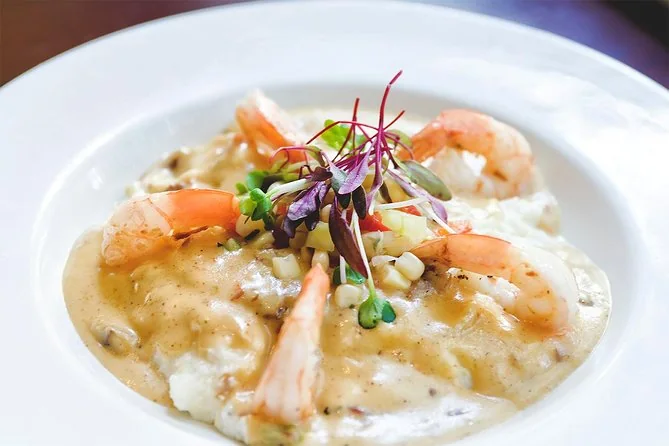
- Shrimp and grits: local shrimp over stone-ground corn grits.
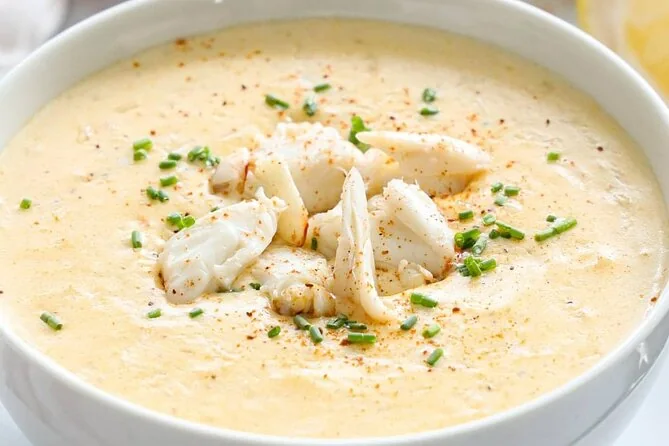
- She-crab soup: a creamy crab soup finished with sherry.
- Red rice: rice cooked with tomatoes and spices, often with smoked sausage.
- Hoppin' John: field peas cooked with rice.
- Okra soup and okra: a Gullah staple.
- Collard greens: slow-cooked, usually with pork.
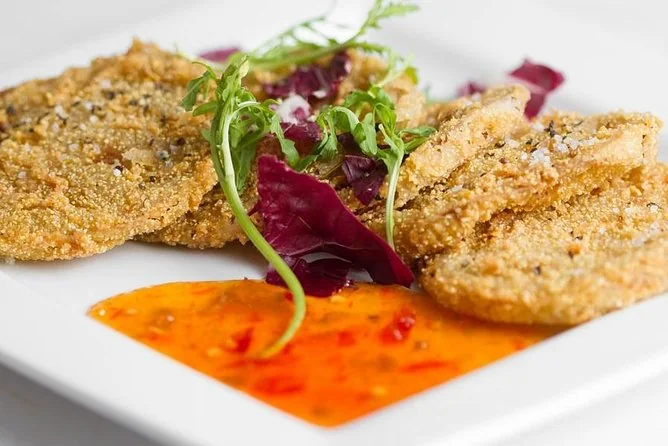
- Fried green tomatoes and pimento cheese: Southern classics on most menus.
- Benne wafers: thin sesame cookies.
The Explore Charleston list of dishes inspired by Charleston history adds corn bread, Carolina Gold rice and fried chicken.
Want to taste the list? The Downtown Charleston Food Tour covers traditional and contemporary Lowcountry cooking at four restaurants.
Check dates for the Downtown Charleston Food TourWhere does Lowcountry food come from?
Largely from the Gullah Geechee people, descendants of West and Central Africans enslaved on the coastal rice, cotton and indigo plantations.
The National Park Service notes that Gullah Geechee traditions are reflected in their foodways. The Gullah Geechee Cultural Heritage Corridor goes further: okra, rice, yams, peas, hot peppers, peanuts, sesame (benne) seeds, sorghum and watermelon came from Africa with the slave trade, and much of what is now called Southern food comes from the creativity and labor of enslaved cooks.
The corridor itself runs from Pender County, North Carolina, to St. Johns County, Florida, and Congress designated it on October 12, 2006.
What is red rice, and how is it related to jollof?
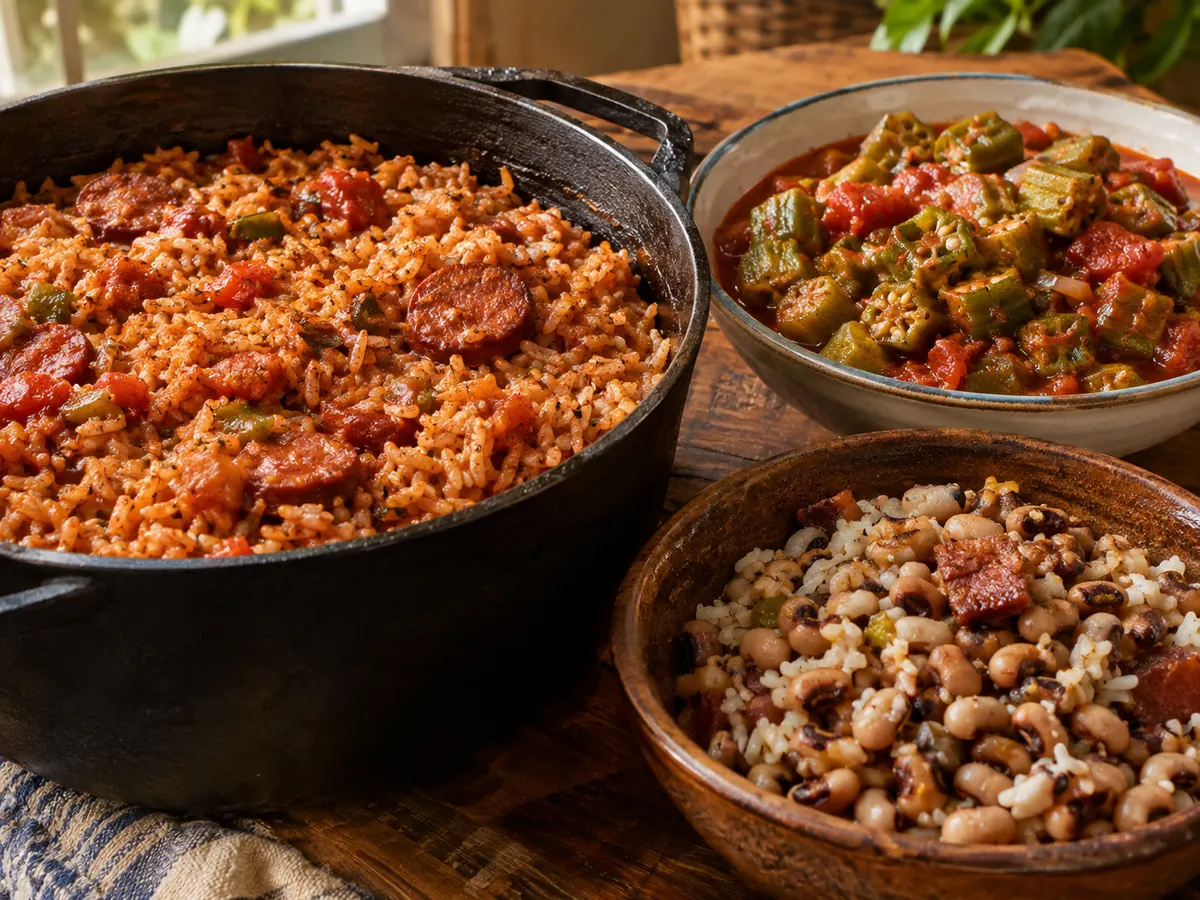
Red rice is white rice cooked with tomatoes and spices, often with smoked sausage, and the National Park Service says it derives from West African jollof rice.
The same NPS lesson on Gullah Geechee foodways lists chicken perloo, rice and chicken boiled together, and fish and rice with okra as everyday dishes. Rice grew well in both coastal West Africa and the Carolina Lowcountry, which is why it sits at the center of both kitchens.
Hoppin' John is the New Year's Eve dish: small peas, traditionally field peas or red peas, now often black-eyed peas, cooked in rice and served with collard greens. It is said to bring prosperity for the year ahead. The lesson also describes the Lowcountry boil: crab, shrimp, corn, sausage and potatoes boiled together and served on a newspaper-covered table.
What is she-crab soup?
A cream soup of crab meat, traditionally with the roe of female crabs, finished with a splash of sherry.
Explore Charleston puts it next to shrimp and grits as a dish many people think of as classic Charleston. It is on the printed menu of the Secret Food Tours French Quarter walk, and reviewers of the Downtown Charleston Food Tour mention it too.
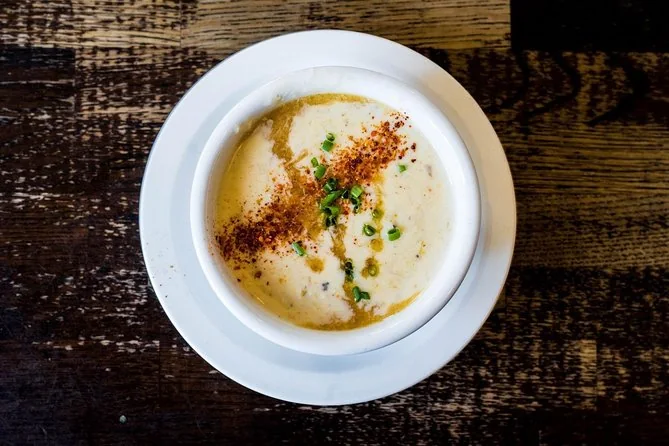
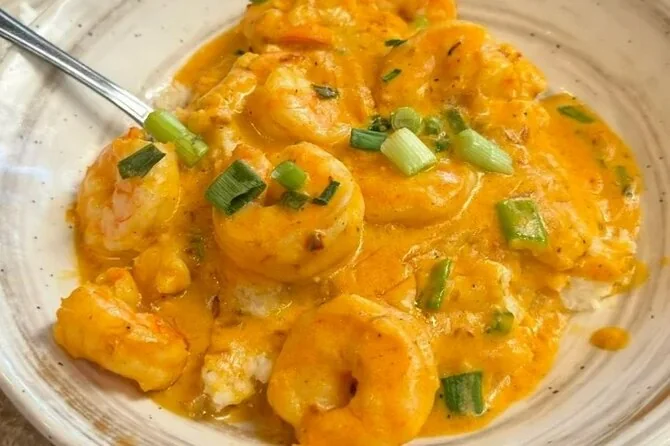
Want she-crab soup and benne wafers on the menu in writing? The French Quarter walk lists both.
Explore the Secret Food Tours French Quarter walk Tour detailsWhich Lowcountry dishes do the food tours serve?
Shrimp and grits, she-crab soup, collard greens, benne wafers and barbecue turn up most, according to the listings and guest reviews.
Secret Food Tours lists she-crab soup, shrimp and grits, benne wafers, corn bread, a pecan cluster and a pulled pork taco. Bulldog Tours names stone-ground grits, pralines, collard greens, benne wafers and South Carolina barbecue. The Downtown Charleston Food Tour does not publish a menu, but reviewers mention shrimp and grits, she-crab soup, hush puppies, BBQ sliders with cornbread and collards.
Red rice and okra soup are rarer on tour menus. For those, go to the restaurants below.
Which food tour covers Gullah Geechee history?
None of the listed walks is a Gullah food tour; the private tour and Chef Forrest Parker's morning put the most weight on where the food comes from.
The private tour's listing describes Lowcountry cooking as shaped by West African, French and Caribbean influences and has the guide explain how those cultures shaped the food. Chef Forrest Parker cooks with heritage Lowcountry ingredients. On the Downtown Charleston Food Tour, one four-star reviewer wished for more on the Gullah Geechee people, so ask your guide about it. Compare all of them in Charleston food tours compared.
Want the history behind every bite? The private tour is your group, your guide and four courses.
Check dates for the private food and history tourWhere can you eat Gullah food in Charleston?
Explore Charleston's Soul of the City itinerary points to Hannibal's Kitchen, Nigel's Good Food and My Three Sons.
Per the itinerary, Hannibal's Kitchen has been cooking for more than 40 years; its signature is crab and shrimp rice, with lima beans, collard greens, Hoppin' John and okra soup on the side. My Three Sons serves crab cakes, okra soup and Gullah rice with tilapia, sausage and shrimp. Nigel's Good Food is known for shrimp and grits, gumbo and oyster stew.
Plan one of them for a day without a food tour. You will want the appetite.
Can you learn to cook Lowcountry dishes?
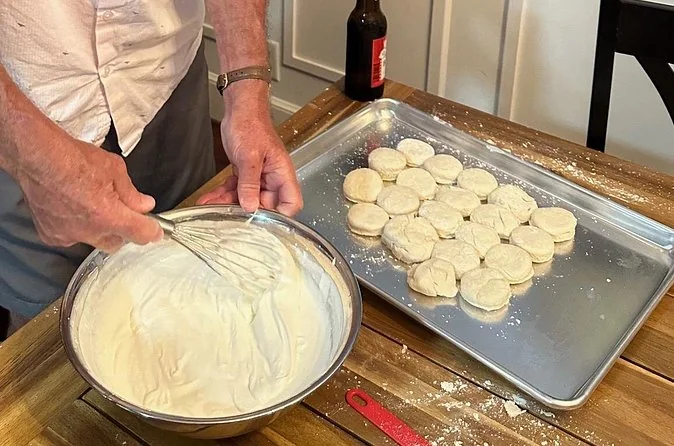
Yes: the two-hour Lowcountry cooking class ($99) teaches buttermilk biscuits, pimento cheese and a Huguenot torte.
It runs from the same French Quarter address as the Downtown Charleston Food Tour, 184 East Bay Street, and includes ingredients and coffee or tea. Reviewers praise the history behind the recipes as much as the cooking. Chef Forrest Parker's morning ends with a demo of three recipes, and every guest leaves with copies.
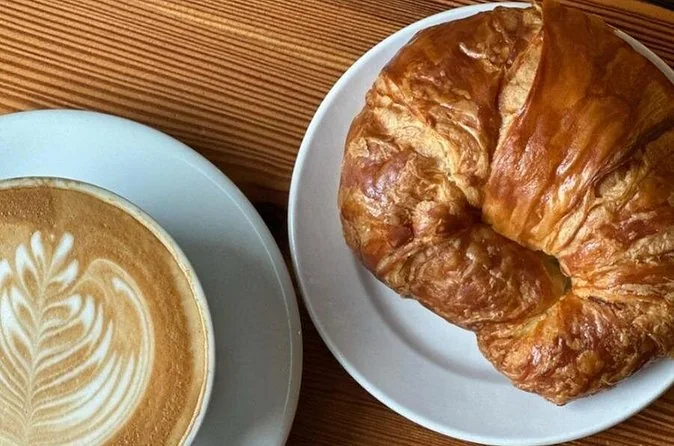
Take the recipes home: biscuits, pimento cheese and Huguenot torte, made with your own hands.
Explore the Lowcountry cooking class Tour detailsFrequently asked questions
What is Charleston's most famous dish?
Shrimp and grits and she-crab soup are the two dishes most people think of; Explore Charleston calls she-crab soup, like shrimp and grits, a classic Charleston dish.
What is the difference between Lowcountry and Gullah food?
Gullah Geechee cooking is the foodways of the Gullah Geechee people, rooted in West African traditions. Lowcountry cuisine is the wider regional cooking of coastal South Carolina and Georgia, much of which grew from it.
What is Hoppin' John?
Small peas, traditionally field peas or red peas and now often black-eyed peas, cooked in rice. Gullah Geechee families serve it with collard greens on New Year's Eve for prosperity.
Are benne wafers the same as sesame cookies?
Yes. Benne is the Lowcountry name for sesame, and the Gullah Geechee Cultural Heritage Corridor lists benne seeds among the foods brought from Africa with the slave trade.
Ready to book
Choose your tour
Free cancellation up to 24 hours before on every option. Prices are from-prices in USD and move with the season.
Downtown Charleston Food Tour
- Tastings at 4 local restaurants, enough for a meal for most guests
- A local professional guide, about 2.5 hours on foot, up to 12 travelers
- Meets at 184 East Bay Street; ends within 3 to 4 blocks of the start
Lowcountry Cooking Class, French Quarter
Make biscuits, pimento cheese and Huguenot torte
Private Food & History Tour
Only your party: four courses at three restaurants